By
|
Getting your Trinity Audio player ready...
|
The western corridor of Greater Kolkata, specifically along the Kona Expressway in Howrah, is emerging as eastern India’s major distribution and logistics hub, driven by e-commerce, manufacturing, and 3PL expansion.
For decades, traditional godowns have supported regional supply chains serving businesses near urban fringes and established transport corridors. Now, post-GST consolidation has encouraged businesses to reconsider conventional storage models like Logistics Parks for future operations.
However, investors now face an important question about choosing traditional godowns or professionally planned logistics parks. The decision depends on operational needs, infrastructure quality, location advantages, and investment objectives.
This guide compares logistics parks vs traditional godowns through infrastructure, location, flexibility, tenant demand, costs, and long-term investment considerations.
Start reading!
What Is A Traditional Godown?
A traditional godown typically provides enclosed storage with limited supporting infrastructure for loading, movement, or specialised operations. Owners often develop these properties around local trading requirements, commodity storage, or small distribution activities.
Their layouts can suit businesses requiring straightforward storage without extensive handling, parking, or technology requirements. However, fragmented access, weaker circulation, and limited expansion options can restrict operational efficiency as businesses scale.
What Is A Modern Logistics Park?
An integrated logistics park combines storage facilities with infrastructure designed around organised supply-chain movement. Such developments typically integrate warehouses, loading areas, internal roads, parking, security, utilities, and employee facilities.
Some projects also incorporate technology, sustainability features, fire safety systems, and spaces supporting specialised industrial activities. This integrated approach can improve operational predictability. It also helps occupiers manage growing distribution requirements.
Logistics Park Vs Traditional Godown: What Should Investors Compare?
Smart real estate investors in Kolkata compare structural features between godowns and parks. Rapid industrial growth along the Kona Expressway corridor strongly influences this asset selection.
The Kona Expressway corridor offers particular advantages because it connects Howrah with Kolkata Port and NH 16.
1. Infrastructure Quality
Traditional godowns across Kolkata often provide basic structures with limited internal circulation and storage capabilities. Nevertheless, modern logistics parks along the Kona Expressway offer reinforced flooring, wide driveways, dock levellers, and greater ceiling heights.
These specifications support efficient truck movement, vertical storage, and smoother loading operations for industrial occupiers.
2. Strategic Location
Standalone godowns within Kolkata can face congestion and restrictions affecting heavy freight movement through busy commercial areas. Warehouses along the Kona Expressway provide direct connectivity toward Kolkata Port, NH 16, and Howrah’s wider transport network.
The planned elevated connection between Nibra and Vidyasagar Setu can further improve access into Kolkata. This strategic positioning helps reduce transit delays while supporting efficient movement between warehouses, ports, and commercial hubs.
3. Security and Safety Standards
Organised logistics parks near NH16 typically integrate structured surveillance, controlled access, and dedicated industrial fire-safety infrastructure. Unorganised traditional godowns in central Kolkata rarely feature advanced automated firefighting equipment or comprehensive modern surveillance security systems.
For instance, Kolkata’s recent Orphanganj Market fire demonstrates the consequences of inadequate firefighting infrastructure. The massive fire incident affected approximately 700 shops across Kidderpore, which highlights significant fire-safety concerns.
Facilities along established industrial corridors can provide stronger operational safeguards than older standalone godowns across Kolkata. They incorporate three-tier surveillance, automated number-plate recognition, and advanced firefighting systems.
These measures create safer operating environments for businesses handling valuable inventory and continuous freight activity.
4. Operational Flexibility
Businesses operating around Kolkata require logistics facilities that can adapt alongside changing supply-chain requirements. Modern logistics parks along the Kona Highway support warehousing, manufacturing, distribution, and third-party logistics operations.
Their positioning near NH 16, Kolkata Port, and Howrah’s rail network supports evolving supply-chain requirements. Old-fashioned godowns, on the other hand, generally offer fixed layouts, limiting businesses when storage requirements or operational processes change.
Access to Santragachi and Mourigram, furthermore, provides nearby workforce availability for businesses requiring continuous operational shifts.
5. Tenant Profile and Rental Yields
Strategically located logistics parks can attract occupiers requiring specialised infrastructure and dependable regional freight connectivity.
Conversely, top warehouses near Kolkata serve manufacturers, retailers, distributors, and third-party logistics operators across the city’s supply-chain network.
Legacy warehouse facilities generally serve smaller businesses who are seeking straightforward storage within established commercial and industrial districts. The Kona Expressway’s connections with NH 16, Kolkata Port, Howrah, and Dankuni strengthen tenant appeal.
How Can Integrated Parks In Kona Expressway Benefit Investors?
Integrated logistics parks offer exceptional investment advantages for strategic property investors. Modern industrial ecosystems can generate stable financial returns through high efficiency and steady corporate lease demand:
Higher Rental Yields
Kona Expressway’s integrated commercial parks can command stronger rental interest than standalone Kolkata godowns. Their location near Kolkata Port and NH 16 supports occupiers managing regional distribution and cargo movement.
Reduced Vacancy Risks
Organised logistics parks near Santragachi and the wider Howrah belt can attract businesses requiring reliable industrial infrastructure. The established freight connectivity strengthens their appeal among occupiers seeking strategically positioned warehousing facilities.
Shared Infrastructure Efficiency
Advanced logistics establishments within the Kolkata Industrial Corridor consolidate security, utilities, internal roadways, and freight-handling infrastructure. These shared facilities can reduce operational complexity while supporting efficient warehouse management across organised industrial developments.
Sustainability and Green Compliance
Modern Kona Expressway corridor logistics developments are increasingly incorporating infrastructure. These facilities support efficient and environmentally responsible industrial operations. They include solar panels, zero wastewater discharge systems, and landscaped open spaces supporting sustainable operations.
Superior Resale Value
High-quality industrial parks on this 7.2-kilometre, six-lane elevated highway experience rapid land appreciation compared to traditional standalone godowns. Institutional buyers now actively seek organised logistics hubs, which guarantees strong liquidity and high long-term resale exit profits.
How Workforce Availability Strengthens Kolkata Logistics Park?
Nearby skilled and general workforce availability supports smooth warehouse activities and reliable shift management. Locations around Santragachi and Mourigram provide access to workers while supporting operational continuity for logistics businesses:
Advanced Warehouse Management Systems
Organised logistics facilities can integrate technology with daily warehouse operations. This improves coordination and operational visibility.
These systems support efficient inventory management and also reduce manual processes across distribution activities.
Real-Time Inventory Tracking
Real-time inventory visibility helps businesses monitor stock movement throughout warehousing and distribution processes. With better tracking, it’s possible to support faster decisions, fewer handling errors, and improved supply-chain coordination.
Seamless Integration Across Freight Networks
Strategic logistics hubs connect highway, rail, and port infrastructure into one coordinated freight ecosystem. Kona Expressway, NH 16, Kolkata Port, and Dankuni collectively support efficient multimodal movement across regional markets.
Factors To Consider Before A Logistics Property Investment In Kolkata
A logistics property can appear attractive initially while hidden limitations gradually increase expenses and reduce efficiency. Before committing capital, assess the site against factors that directly influence operating costs and tenant demand.
1. Highway Access
Check how easily trucks can reach NH 16, NH 19, and nearby expressway junctions. Better highway access helps fleets complete trips efficiently and reduces unnecessary waiting during regular distribution operations.
2. Port Proximity
Consider the site’s practical distance from Kolkata Port and Haldia Dock Complex. Shorter drayage routes can reduce container transportation expenses, particularly for businesses handling regular import-export cargo movements.
3. Rail Linkage
Assess whether the property offers convenient access to Dankuni or nearby freight terminals.
Rail connectivity gives businesses another transportation option and can make multimodal freight movement more practical.
4. Utility Reliability
For facilities using cold storage, automation, or technology-intensive warehouse systems, having reliable electricity is particularly important. Power interruptions can disrupt operations and damage temperature-sensitive inventory. These issues also create expenses that undermine otherwise attractive property economics.
5. Building Specifications
Look beyond the property’s appearance and examine floor load capacity, clear height, and fire compliance. These specifications determine how effectively occupiers can store inventory vertically and operate equipment within the facility.
6. Legal Clarity
Before finally committing to the property, review land ownership, title documentation, and required regulatory registrations. Clear documentation reduces the possibility of compliance disputes, ownership complications, or unexpected legal expenses later.
7. Labour Availability
Consider whether nearby areas can provide both skilled and general workers for regular warehouse operations. Santragachi and Mourigram can provide accessible workforce catchments. As an occupier, you can maintain staffing across demanding round-the-clock operational shifts.
PS Logistics Park: An Expert Case Study
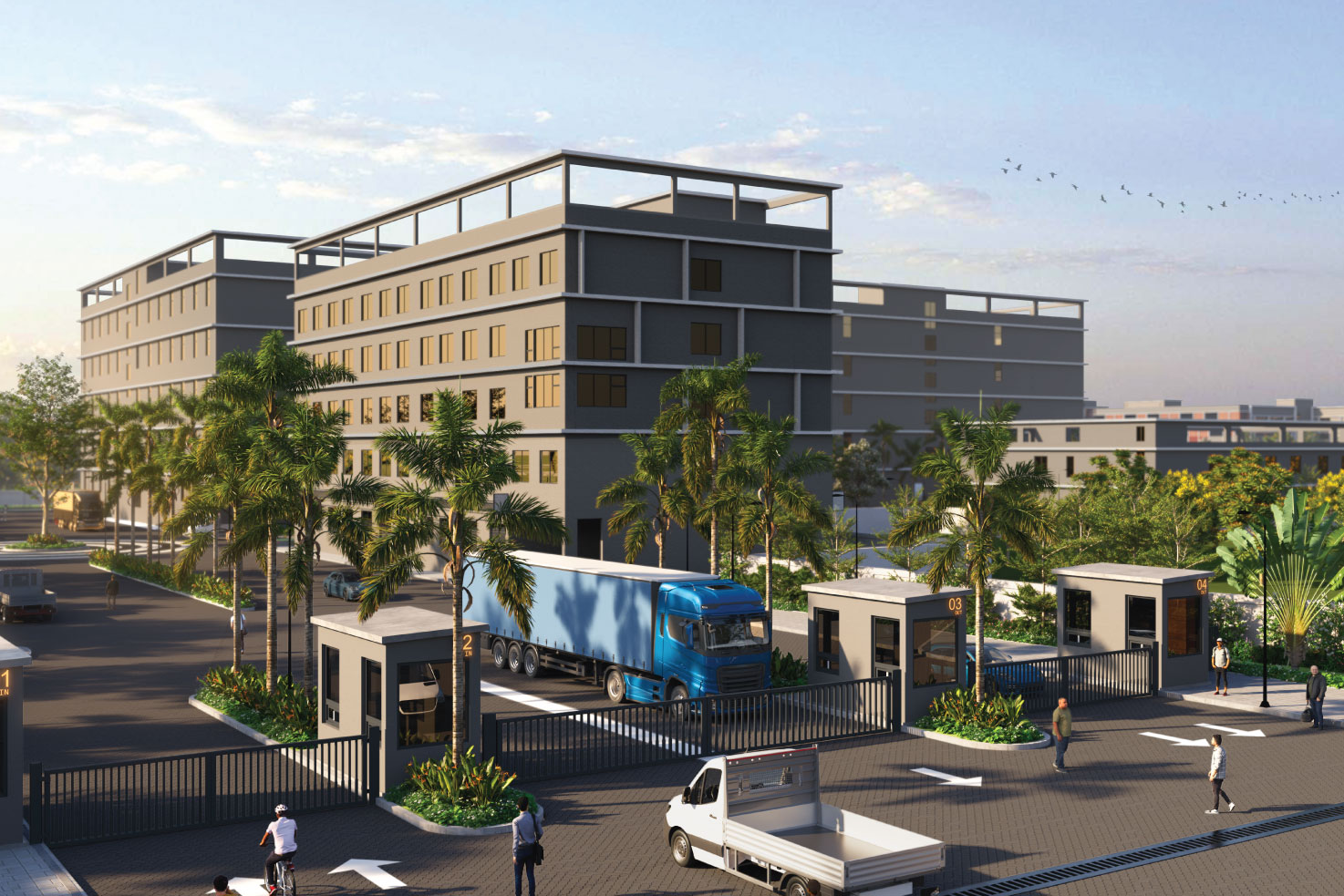
PS Logistics Park demonstrates how planned industrial infrastructure can address Kolkata’s evolving warehousing and distribution requirements. This modern logistics park along Kona Expressway spans 21 acres. It offers approximately 1.8 million square feet of planned logistics and warehousing space.
The project benefits from seamless connectivity through Kona Expressway, NH-16, and Vidyasagar Setu. The upcoming six-lane elevated flyover connecting Nibra and Vidyasagar Setu will further strengthen freight movement and improve access to ports, rail networks, and regional markets.
These characteristics make the development useful for understanding how integrated logistics assets can support business continuity.
The infrastructure of PS Logistics Park
PS Logistics Park is designed around operational efficiency. The purpose-built industrial infrastructure allows businesses to manage storage, distribution, and transportation requirements:
- Durable warehouse structures supporting industrial storage operations.
- Wide internal roads for efficient truck circulation.
- Dedicated loading and unloading bays to accelerate cargo movement.
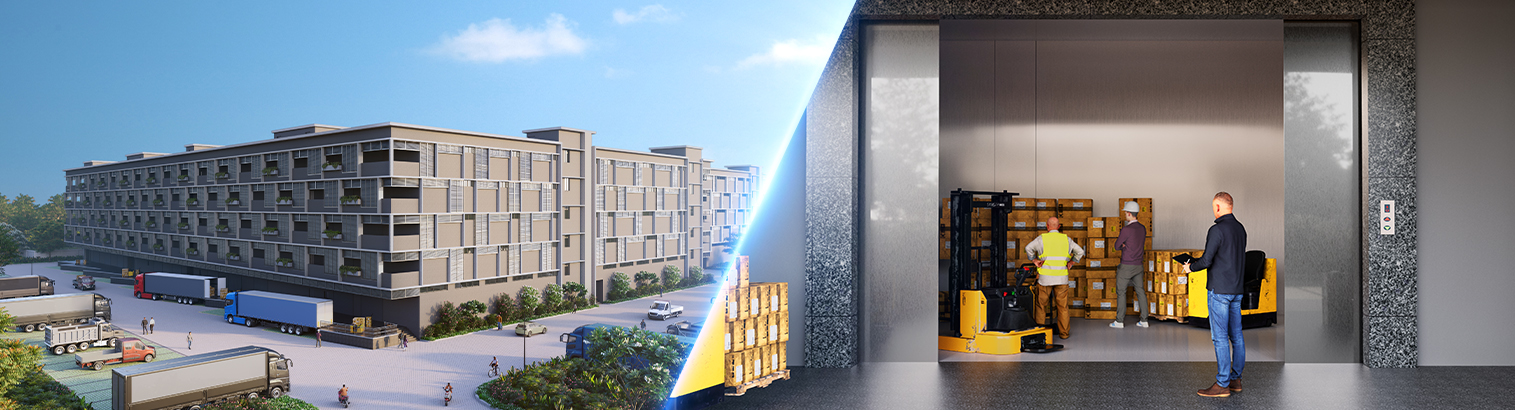
- High-capacity freight elevators for seamless material transfers.
- Truck parking facilities to support fleet management activities.
- Workers’ dormitories providing on-site accommodation, improving workforce convenience.
- Comfortable resting spaces for transportation personnel.
- Uninterrupted water supply and drainage systems
- Round-the-clock security systems strengthening industrial safety standards.
What Makes PS Logistics Park a Distinctive Industrial Development?
- Strategic location: Located along Kona Highway, it supports efficient freight movement across Kolkata and surrounding industrial corridors.
- Large-scale development: Spans 21 acres, providing substantial space for diverse industrial and warehousing requirements.
- Extensive built-up area: Offers approximately 1.8 million square feet across its planned industrial and warehousing ecosystem.
- Open-space planning: Allocates approximately 65% of the development area toward open spaces and movement requirements.
- Warehouse infrastructure: Incorporates RCC warehouses designed to support organised storage and industrial operational requirements.
- Internal circulation: Planned internal movement areas facilitate smoother vehicle circulation and efficient goods-handling operations.
- Security provisions: Dedicated security infrastructure supports controlled access and safer operations throughout the development.
- Workforce facilities: Regular skill-development facilities support workforce capabilities and strengthen the broader industrial ecosystem.
Final considerations before investing
Choosing between a logistics park and traditional godown requires careful evaluation of investment objectives. Kolkata investors should consider location, infrastructure, tenant demand, operating costs, scalability, and future development potential.
Standalone godowns can suit businesses looking for simple storage with lower initial investment requirements. Nevertheless, planned logistics developments can offer stronger operational capabilities, infrastructure, and flexibility for evolving supply-chain requirements.
Ultimately, as an investor, you should match property characteristics with tenant needs, financial expectations, and long-term market fundamentals. The right logistics property ultimately balances location advantages, operational efficiency, tenant demand, and long-term investment fundamentals.
FAQs
1. Which offers better investment potential, integrated logistics parks or standalone warehouses?
Specialised logistics facilities generally offer stronger infrastructure, scalability, tenant appeal, and operational efficiency.
Contrarily, standalone warehouses may suit investors who prioritise simpler facilities, lower entry costs, and straightforward storage requirements.
2. Are organised logistics facilities suitable for long-term commercial property investment?
Organised hubs can suit investors seeking assets supporting evolving supply-chain requirements, reliable infrastructure, and sustained tenant demand across established freight corridors and industrial locations.
3. What makes integrated warehousing hubs attractive to corporate tenants?
Corporate tenants often value specialised infrastructure, strategic connectivity, reliable utilities, security systems, flexible layouts, and professional management. Technology-enabled warehousing hubs typically provide these more effectively.
4. Do conventional storage facilities still offer investment value in Kolkata?
Conventional storage facilities can retain investment value where businesses require accessible premises and straightforward warehousing.
Their suitability depends heavily on location, tenant demand, infrastructure quality, and future development potential.
5. Which factors should investors compare between organised facilities and standalone warehouses?
As an investor, you should compare highway access, port proximity, rail connectivity, utilities, and building specifications before investing. Moreover, you should also consider legal clarity, workforce availability, tenant demand, operating costs, and future scalability.
Leave a comment